


Many first-time homebuyers focus on price and aesthetics, only to discover later that missing everyday features significantly impact comfort, finances, and resale value. From insufficient storage and poor lighting to outdated electrical systems, these overlooked elements often lead to long-term regret. This in-depth guide reveals the most common home features buyers wish they had prioritized—and how to avoid the same mistakes.
Introduction: The Excitement of Buying vs. the Reality of Living
Buying your first home feels like crossing a major life milestone. After months of scrolling listings, touring homes, and negotiating offers, finally holding the keys can feel surreal. But once the excitement fades and daily routines begin, many first-time buyers notice something unsettling: the house doesn’t function as smoothly as they imagined.
According to multiple housing surveys, including reports from Zillow and Redfin, a majority of first-time homeowners admit they would make different choices if given a second chance. Surprisingly, these regrets are rarely about the purchase price. Instead, they stem from missing or overlooked home features that affect everyday living.
This article explores the most surprising home features first-time buyers regret not getting, backed by real-life examples, expert insights, and practical advice—so you can make smarter, future-proof decisions.

Why First-Time Buyers Miss Important Home Features
First-time buyers often operate under intense pressure. Limited inventory, rising prices, emotional attachment, and fear of missing out all push buyers to make quick decisions. When competition is fierce, many focus on securing the home rather than evaluating how well it will support their lifestyle long-term.
Another issue is lack of experience. Without having lived through homeownership before, it’s difficult to anticipate which features will matter most after the honeymoon phase ends.
A young couple in Austin shared that they rushed into buying a beautifully staged home, only to realize months later that the layout lacked practical storage and had outdated wiring. Fixing those issues cost them thousands—expenses that could have been avoided with better upfront evaluation.
1. Why Lack of Storage Space Is the Most Common Regret
Storage may not be exciting during a walkthrough, but it becomes critically important once you move in. Many first-time buyers underestimate how quickly clutter accumulates.
Closets that look fine when empty quickly become overcrowded. Homes without pantries make grocery storage difficult. A lack of linen closets, garage storage, or attic space forces homeowners to improvise—and often live in constant disorganization.
Common storage-related regrets include:
- Small or poorly designed bedroom closets
- No pantry or inadequate kitchen storage
- Limited garage or attic space
- No dedicated area for cleaning supplies or seasonal items
A condo owner in Chicago admitted that within six months, her “minimalist” unit felt cramped simply because there was nowhere to store winter coats, suitcases, or holiday décor. Retrofitting custom storage later cost far more than choosing a better layout upfront.
2. How Poor Natural Light Affects Mood and Energy
Natural light plays a powerful role in how a home feels. Yet many buyers overlook window placement, orientation, and sunlight exposure during quick showings.
Homes with limited natural light often feel smaller, colder, and less inviting. Over time, this can impact mood, productivity, and even mental health. Artificial lighting also increases electricity costs, especially in darker homes.
Real-life experience shows this clearly. A first-time buyer in Seattle loved a renovated home’s finishes but later realized most windows faced another building. The lack of sunlight made the home feel gloomy year-round and increased heating and lighting expenses.
Studies from the National Association of Home Builders suggest homes with abundant natural light tend to have higher resale appeal and value—making this feature both a lifestyle and investment consideration.
3. Why Electrical Outlets and Wiring Are a Modern Necessity
One of the most underestimated regrets among first-time buyers involves electrical planning. Modern households rely heavily on technology, yet many homes—especially older ones—aren’t designed for today’s power needs.
Buyers often regret not checking:
- Number of outlets per room
- Location of outlets
- Electrical panel capacity
- Readiness for smart devices or home offices
A remote worker in Denver discovered after moving in that his office had only two outlets. Running extension cords daily became inconvenient and unsafe. Upgrading the electrical system cost several thousand dollars—an expense he never anticipated.
In an era of remote work and smart homes, adequate electrical infrastructure is no longer optional.
4. Why Buyers Regret Not Having an Extra Bathroom
Many first-time buyers convince themselves that one bathroom is enough—until real life intervenes. Morning routines, guests, and family growth quickly expose the limitations of a single-bathroom home.
Homes with at least 1.5 or two bathrooms consistently perform better in both livability and resale value. Redfin data shows such homes sell faster and attract more buyers.
A young family in Phoenix shared that sharing one bathroom caused daily stress during work and school mornings. Adding another bathroom later was costly and disruptive, making them wish they had prioritized this feature from the start.
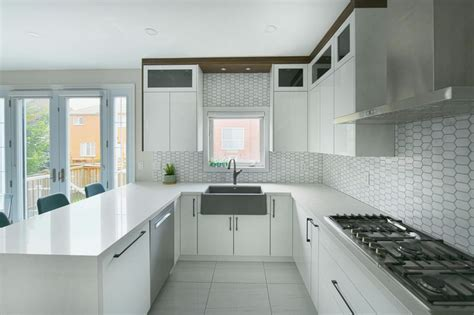
5. Kitchen Functionality vs. Kitchen Appearance
First-time buyers often fall in love with how a kitchen looks, not how it works. While stylish cabinets and countertops are appealing, functionality matters far more once daily cooking begins.
Common kitchen-related regrets include:
- Limited counter space
- Poor layout that disrupts workflow
- Inadequate cabinet storage
- No pantry or appliance storage
A homeowner in Los Angeles realized that despite having a beautiful kitchen, she had nowhere to prep meals without constantly moving appliances. According to Houzz, functionality dissatisfaction is one of the top reasons homeowners renovate kitchens—often far sooner than expected.
6. Why Laundry Room Location Matters More Than Size
Laundry is a frequent household task, yet many buyers overlook where it’s located. Laundry rooms placed in garages, basements, or cramped corners quickly become a daily annoyance.
Common regrets include:
- Long distances to carry laundry
- Poor ventilation
- No folding or storage space
A Boston homeowner described hauling laundry down two flights of stairs every week as one of the most exhausting aspects of her home—especially during winter months.
7. Energy Efficiency: The Hidden Cost of Overlooking It
Energy efficiency isn’t always visible during a showing, but it directly affects monthly expenses. First-time buyers often regret not paying attention to insulation quality, window type, and HVAC systems.
Homes with poor energy efficiency lead to:
- Higher utility bills
- Uneven temperatures
- Reduced comfort year-round
The U.S. Department of Energy estimates inefficient homes can cost homeowners 20–30% more annually in energy expenses. A buyer in Ohio learned this the hard way when heating costs skyrocketed due to outdated insulation.
8. Noise, Privacy, and Thin Walls
Noise issues are easy to miss during short visits. Thin walls, street noise, or loud neighbors often reveal themselves only after move-in.
Buyers commonly regret:
- Poor sound insulation
- Bedrooms near noisy areas
- Lack of privacy from neighbors
A San Diego homeowner realized too late that their bedroom shared a wall with a neighbor’s entertainment system, making restful sleep difficult on a regular basis.
9. Underestimating the Value of Outdoor Space
Even buyers who don’t consider themselves “outdoor people” often regret skipping usable outdoor areas. Small patios, balconies, or yards add flexibility, relaxation space, and resale appeal.
Post-2020 lifestyle shifts have significantly increased demand for outdoor space, making this feature more valuable than ever.
10. Ignoring Resale and Future Flexibility
Many first-time buyers believe their first home will be their forever home. In reality, career changes, family growth, and lifestyle shifts often lead to moving sooner than expected.
Buyers regret ignoring:
- School district quality
- Parking availability
- Flexible floor plans
- Neighborhood growth potential
Homes lacking these features often struggle during resale.
Practical Takeaways for First-Time Buyers
Before making an offer, consider:
- How the home supports daily routines
- Which features are expensive or impossible to change
- How your needs may evolve over the next 5–10 years
Prioritizing function over aesthetics can prevent costly regrets and ensure long-term satisfaction.
Frequently Asked Questions (FAQ)
1. What home features do first-time buyers regret most?
Ans. Storage space, bathroom count, natural light, electrical outlets, and energy efficiency are the most commonly regretted features.
2. Is it better to buy a smaller home with better features?
Ans. Yes. A smaller home with strong functionality often provides better comfort and resale value than a larger but poorly designed one.
3. How many bathrooms should a first-time buyer have?
Ans. At least 1.5 bathrooms is ideal for most households, even for couples or small families.
4. Are older homes a bad choice for first-time buyers?
Ans. Not necessarily, but buyers should carefully inspect wiring, insulation, and layout limitations before purchasing.
5. Why is storage such a common regret?
Ans. Buyers underestimate how much they accumulate over time and how disruptive clutter becomes without proper storage.
6. Do energy-efficient homes really save money?
Ans. Yes. Energy-efficient homes can reduce annual utility costs by 20–30% or more.
7. Should first-time buyers think about resale value?
Ans. Absolutely. Most first homes are stepping stones, and resale flexibility matters.
8. How can buyers avoid these regrets?
Ans. By prioritizing daily livability, conducting thorough inspections, and thinking long-term rather than emotionally.
9. Are smart home features essential for first-time buyers?
Ans. They’re not essential, but modern wiring and outlet planning are increasingly important.
10. What is the biggest mistake first-time buyers make?
Ans. Falling in love with appearance while ignoring functionality and long-term costs.