
America in 2026 is redefining what it means to live well. From quiet luxury and digital detoxing to AI-assisted routines, micro-communities, and softer definitions of success, Americans are reshaping daily life in surprising ways. This in-depth guide explores the most powerful lifestyle trends transforming how people work, spend, parent, socialize, and pursue happiness—backed by real examples and data.
Why 2026 Feels Like a Cultural Reset for Americans
Something fundamental is shifting in how Americans live.
The last few years brought economic pressure, digital overload, remote work upheaval, and rapid AI adoption. By 2026, those forces have reached a tipping point. Instead of chasing more productivity, more money, or more visibility, Americans are asking deeper questions:
Why does modern life feel so exhausting?
What actually improves daily well-being?
What is success worth if it costs peace?
According to Pew Research Center, more than 60% of Americans now prioritize “life simplicity and control” over career advancement, a dramatic shift from pre-pandemic attitudes. At the same time, McKinsey consumer research shows Americans are reallocating spending away from status symbols and toward wellness, flexibility, and time-saving tools.
The result is a wave of lifestyle trends that look “crazy” on the surface—but make perfect sense beneath it.
What Makes These Lifestyle Trends Different From Past Fads?
These are not social-media aesthetics or short-term habits.
The lifestyle trends dominating 2026 share three defining traits:
- They are structural, not cosmetic
- They respond directly to burnout, anxiety, and digital fatigue
- They focus on control, alignment, and sustainability
Unlike trends driven by fashion or novelty, these changes affect how Americans structure their entire lives—from housing choices to career paths to relationships.
1. Quiet Luxury Living: When Status Becomes Invisible
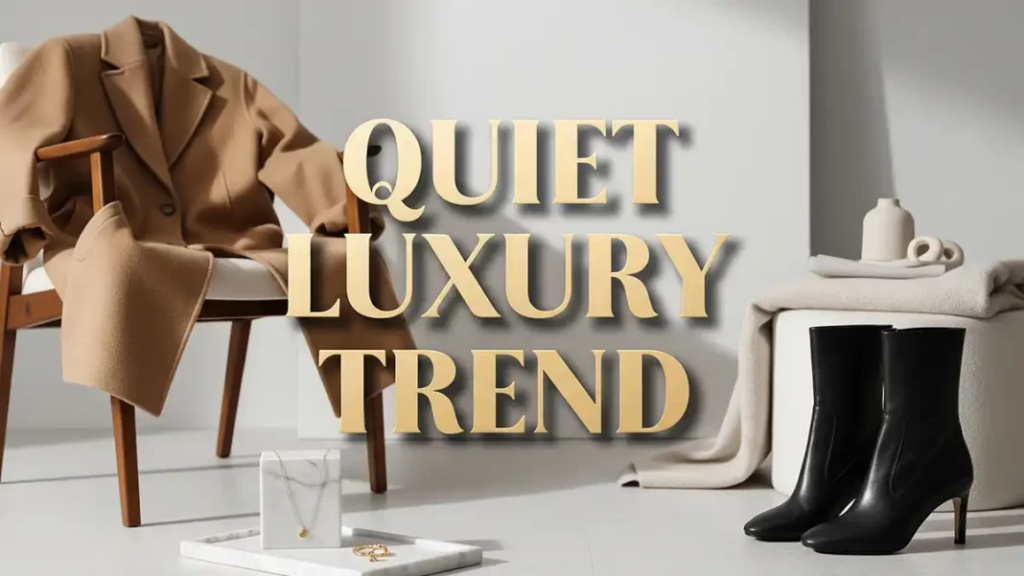
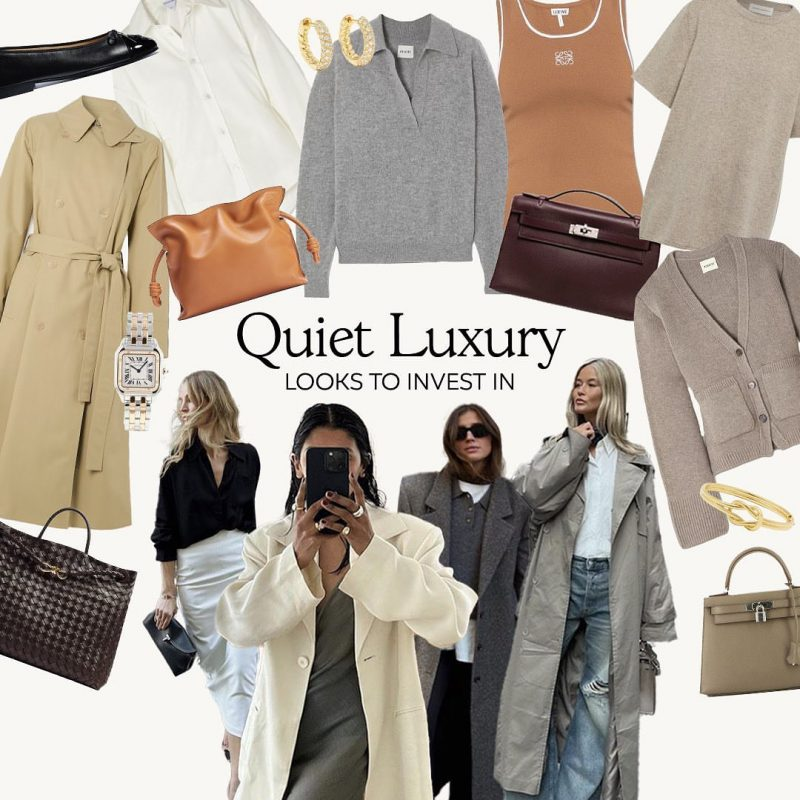
One of the most powerful lifestyle shifts in 2026 is the rise of quiet luxury.
Americans with financial means are intentionally rejecting loud wealth. Logos, flashy cars, oversized mansions, and public displays of success are losing appeal. In their place is discretion.
Real-world examples include:
- High-earning professionals wearing neutral, unbranded clothing
- Families moving from luxury high-rises to understated neighborhoods
- Wealthy travelers choosing invitation-only hotels with no signage
Quiet luxury isn’t about hiding wealth—it’s about protecting peace. As visibility increasingly invites judgment, security concerns, and comparison, privacy has become the new status symbol.
2. Extreme Digital Detoxing Goes Mainstream
Digital detoxing in 2026 looks very different from previous years.
Instead of temporary breaks, Americans are redesigning their environments to reduce digital intrusion permanently.
Common behaviors include:
- Using flip phones outside work hours
- Eliminating push notifications entirely
- Designing homes with “no-screen zones”
According to Gallup, average screen time among professionals aged 30–55 peaked in 2024 and has since declined. Many Americans now view constant connectivity as a threat to attention, creativity, and emotional regulation.
This isn’t anti-technology. It’s intentional technology use.
3. AI as a Lifestyle Assistant, Not a Replacement
AI anxiety dominated earlier years. In 2026, the tone has changed.
Americans are no longer asking whether AI will replace them. They’re asking how AI can remove friction from daily life.
AI is now commonly used to:
- Plan meals and grocery budgets
- Automate bill payments and savings
- Optimize sleep schedules
- Curate learning and fitness routines
Interestingly, Americans draw clear boundaries. AI is welcomed for logistics but resisted in areas tied to identity, creativity, and relationships. The goal isn’t efficiency at all costs—it’s mental bandwidth.
4. Micro-Communities Replace Large Social Circles
In 2026, Americans are socializing less—but connecting more deeply.
Large friend groups, endless networking, and surface-level social media interactions are being replaced by micro-communities: small, intentional groups built around trust and shared values.
Examples include:
- Neighborhood co-living groups
- Parent-run micro-schools
- Investment and skill-sharing circles
A Harvard social connection study found that people with fewer but deeper relationships report higher long-term happiness than those with broad social networks.
Belonging now matters more than popularity.
5. The “Soft Life” Becomes a Financial Strategy
What began as an online aesthetic has evolved into a serious lifestyle philosophy.
In 2026, Americans are intentionally choosing:
- Flexible careers over high-stress roles
- Lower living costs over higher incomes
- Sustainable work rhythms over constant ambition
This is not laziness—it’s strategy.
Many professionals watched burnout devastate earlier generations and are choosing a different path. Success is no longer measured by speed or intensity, but by how livable it feels.
6. Health Optimization Without Obsession
Health trends in 2026 are calmer, smarter, and more sustainable.
Americans are prioritizing:
- Sleep consistency over extreme workouts
- Preventative care over reactive treatment
- Mental health routines as daily hygiene
Wearables and health data still matter, but perfectionism is fading. Health is no longer about peak performance—it’s about stability and resilience.
7. Intentional Spending Replaces Consumer Excess
Minimalism hasn’t disappeared—it has matured.
Americans in 2026 are spending less overall but spending with purpose. Impulse buying is declining, while spending on experiences, education, and wellness is rising.
According to Bureau of Economic Analysis data, discretionary spending growth is strongest in:
- Travel
- Wellness services
- Learning and skill development
The goal isn’t deprivation—it’s clarity.
8. Remote Work Evolves Into Lifestyle Design
Remote work is no longer about location freedom alone.
Americans are redesigning work around:
- Energy cycles instead of office hours
- Deep-focus blocks instead of constant availability
- Time ownership instead of constant responsiveness
The most valuable resource in 2026 isn’t money—it’s attention.
Work is becoming a tool, not an identity.
9. Slow Parenting and Intentional Childhoods
Parenting in 2026 is moving away from over-optimization.
More families are embracing:
- Fewer scheduled activities
- More unstructured play
- Delayed smartphone access
Guidance from the American Academy of Pediatrics continues to link excessive stimulation and screen exposure to anxiety and attention issues.
Parents are realizing that resilience grows from space, boredom, and presence, not constant engagement.
10. Success Gets Redefined From Achievement to Alignment
Perhaps the most profound trend of all is internal.
Americans are redefining success as:
- Emotional stability
- Time autonomy
- Alignment between values and actions
Status symbols are losing emotional power. Peace is gaining it.
This shift explains why so many lifestyle trends feel quieter, slower, and more intentional. People aren’t giving up ambition—they’re redirecting it.
Practical Takeaways: How to Apply These Trends Without Overwhelm
You don’t need to adopt everything.
Start small:
- Reduce digital noise intentionally
- Use AI to simplify one daily task
- Invest in one meaningful community
- Redefine success on your own terms
Lifestyle change lasts when it feels supportive—not performative.
Frequently Asked Questions (Trending Search Queries)
1. What are the biggest American lifestyle trends in 2026?
Ans. Quiet luxury, digital detoxing, AI-assisted living, micro-communities, soft-life careers, and intentional wellness dominate 2026.
2. Why are Americans changing their lifestyle priorities?
Ans. Burnout, economic pressure, mental health awareness, and digital overload are driving this shift.
3. Is digital detox really becoming popular in the US?
Ans. Yes. Screen-time reduction is increasing, especially among professionals and parents.
4. How is AI affecting everyday American life?
Ans. AI is managing logistics like finances, schedules, and routines—not replacing human creativity.
5. What does “quiet luxury” mean in lifestyle terms?
Ans. It emphasizes privacy, quality, and discretion over visible wealth.
6. Are Americans becoming less social?
Ans. Not less social—more selective. Deeper connections are replacing larger networks.
7. Is remote work still growing in 2026?
Ans. Yes, but it’s evolving into full lifestyle design rather than simple location flexibility.
8. How are parenting styles changing in 2026?
Ans. Parents are slowing down childhoods by reducing screens and overscheduling.
9. Are Americans spending less money overall?
Ans. Many are spending more intentionally, focusing on experiences and long-term value.
10. How do Americans define success now?
Ans. Increasingly, success means alignment, peace, and control over one’s time.
Final Reflection: Why These Trends Actually Make Sense
The “crazy” American lifestyle trends taking over 2026 aren’t irrational reactions—they’re intelligent responses to years of pressure, noise, and instability.
Americans aren’t chasing less.
They’re chasing better.
Better time.
Better focus.
Better lives that finally feel sustainable.