


Home values in five U.S. states are quietly accelerating past major markets like California and New York, thanks to surging demand, relative affordability, and strong migration trends. This article uncovers those states, explains the drivers behind the shift, and offers actionable take‑aways for buyers, sellers, and investors looking for both growth and opportunity.
Why “California and New York” Still Loom Large — and Why Some States Are Beating Them
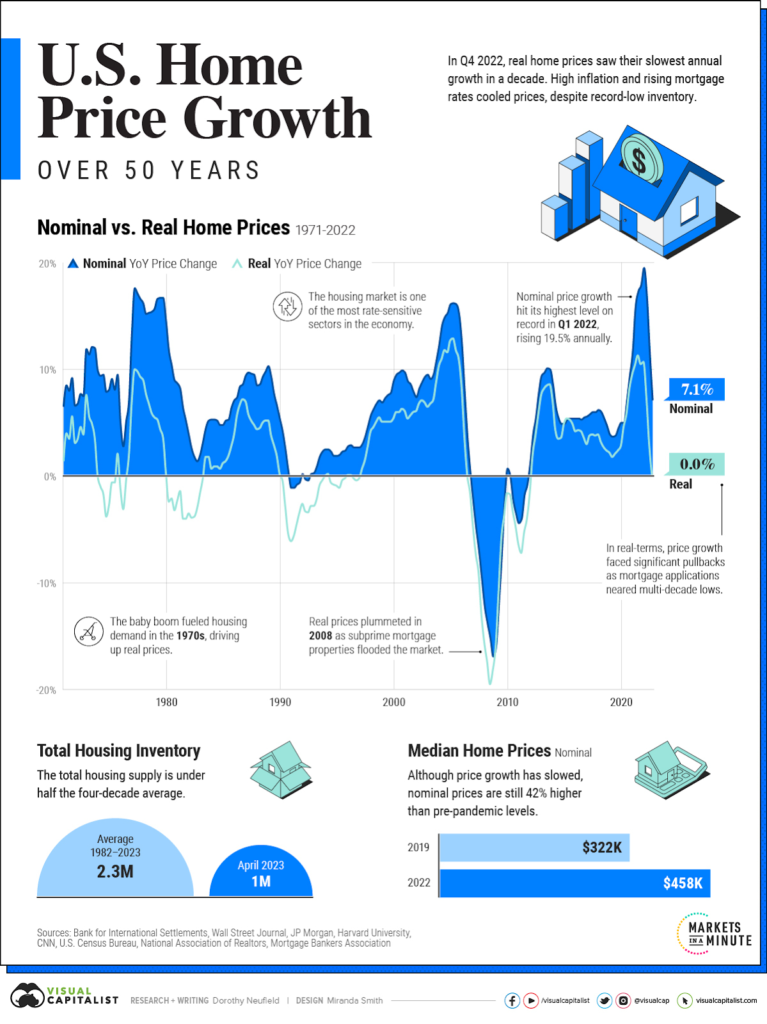
It’s no secret that California and New York dominate headlines when it comes to high home values. For Q1 2025, the median home in California was approximately $788,920 (Experian), while in New York, it was $485,932 (Experian).
Yet despite these lofty bases, the rate of home‑value growth has been significantly higher in several other states — meaning percentage gains (and equity building) are stronger elsewhere.
In one analysis, over the past five years, states such as New Hampshire (+67.3 %), Montana (+66.5 %), Maine (+66.4 %), and Idaho (+56.5 %) all outpaced California’s ~41 % five‑year increase (Construction Coverage).
The dynamic is clear: even though California and New York remain among the most expensive states, they’re not the fastest-growing in terms of percentage value. For buyers and investors seeking rising markets, this is critical.
The 5 States Quietly Outpacing California and New York
Here are five U.S. states where home‑value growth is outperforming the big coastal markets — and the reasons behind their rapid rise.
1) New Hampshire
- The median single-family home price rose from about $283,000 in 2018 to $470,000 in 2023 — a 66 % increase in five years (NHFPI).
- By mid-2025, median sales hit approximately $550,000 (New Hampshire Bulletin).
Why it’s growing:
- No state income or sales tax
- High quality of life
- Strong in‑migration from pricier nearby markets like Boston and New York metro
Example:
A young couple from Boston priced out of their condo moves to Manchester-Nashua region, buys a 3-bedroom home for ~$450K, and sees equity rise as demand from suburban out‑movers increases.
Take-away:
If you’re looking for a market less saturated than major metros but still growth-oriented, New Hampshire offers a compelling opportunity.
2) Montana
- Median home values jumped ~66 % from pre-pandemic levels to 2024 in counties like Missoula (+27 % in one year) and Flathead (+35 %) (Montana Revenue).
Drivers:
- Outdoor lifestyle
- Remote work enabling relocation from urban offices
- Limited housing supply in scenic/rural areas
Example:
A tech worker relocating from Seattle to Bozeman purchases a home for $400K in 2021. By 2025, valuations climb to $650K+, generating strong equity.
Take-away:
Growth isn’t limited to coastal hubs — secondary and tertiary markets with lifestyle appeal are catching up quickly.
3) Maine
- From 2020 to 2024, the median home price in Maine grew more than 50%, while wages rose less than 33% (MaineHousing).
Example:
A retirement-age buyer in Portland purchases a coastal home in 2022 for ~$380K; by 2025, the average home price reaches ~$500K (Lamacchia Realty).
Why it’s rising:
- Sea-change migration to coastal and rural areas
- Limited new-housing supply in many counties
Take-away:
Buyers seeking both lifestyle and growth potential might find Maine appealing — but the pace of appreciation is rapid, so timing is key.
4) Georgia
- Georgia saw a ~55 % increase in median home value from 2020 to 2025 (Experian).
Drivers:
- Atlanta’s job growth and corporate relocations
- Lower cost of living compared to coastal metros
- Suburban expansion
Example:
A first-time homebuyer in far-north Atlanta invests in a $350K property in 2020; by 2025, similar properties trade for ~$540K due to in-migration and improved infrastructure.
Take-away:
Robust growth markets exist in the Southeast — not just along the coasts.
5) Tennessee
- Median home value increased ~53 % in five years (Experian).
Drivers:
- Lifestyle migration to Nashville and other metros
- Absence of state income tax in many cases
- Strong job growth in music, health care, and tech
Example:
A couple from New York sells their condo and moves to Nashville, buys a home for $420K in 2021, and sees nearby listings breach $650K by 2025.
Take-away:
Structural tailwinds like jobs and lifestyle appeal can create real upside potential in emerging growth states.
Frequently Asked Questions (FAQs)
Q1: Which states are growing fastest in home values right now?
States like New Hampshire, Montana, Maine, Georgia, and Tennessee are posting percentage gains that exceed California and New York. New Hampshire, for instance, saw a 66 % increase over five years (NHFPI).
Q2: Why are California and New York not growing as fast?
High base prices make large percentage increases harder. Out-migration, affordability constraints, and slower new development contribute to the trend. California’s five-year growth was ~41% (Construction Coverage).
Q3: Should I invest in a “fast-growing” state or stay in a major market?
Emerging states may offer higher percentage gains and better equity growth, while major markets offer stability and liquidity. A mix of both can balance risk and return.
Q4: Are these gains sustainable or a bubble?
Moderation is expected, but states with tight inventory, strong migration, and job growth may sustain above-average appreciation (Zillow).
Q5: What factors should buyers consider in a growth market?
- Housing supply and construction trends
- Job market strength
- Affordability relative to income
- Interest rates and economic shocks
- Exit strategy
Q6: How do I compare growth potential among states?
Look at multi-year percentage increases (5–10 years) rather than just current prices. For example, Idaho +155.5%, Florida +132.2%, Georgia +126.0%, Tennessee +122.6% (Construction Coverage).
Q7: Are there risks unique to emerging growth states?
Yes, including overheating, limited resale liquidity, dependence on in-migration, and rising costs making markets less affordable.
Q8: What’s the takeaway for sellers in California/New York?
Absolute equity remains high, but percentage growth may lag. Considering relocation to faster-growing states may capture more upside.
Q9: How do taxes and policy affect these home-value trends?
States with favorable tax policies, such as lower income tax or no sales tax, attract migration and encourage growth. Zoning and supply policies also play a role.
Q10: What practical action steps should a homeowner or investor take now?
- Review 5- and 10-year growth trends
- Assess your timeline and investment goals
- Compare affordability versus income in target markets
- Monitor mortgage rates and supply trends
- Consider diversification across markets

Key Takeaways
- Growth matters: 50 % increases yield far more equity than 20 % increases.
- Base price isn’t everything: Moderate-priced states with rapid growth may outperform expensive states.
- Time and place are critical: Early investment in growth markets enhances returns.
- Affordability counts: Fast appreciation can reduce exit options if homes become unaffordable.
- Research trumps hype: Focus on long-term trends, inventory, migration, and economic indicators.